Sex Offenders in Illinois can be located instantly through the state’s official online registry, which offers a searchable map and real‑time alerts for changes in residency or compliance status. By entering a name or ZIP code, users receive sex offender lookup results that include registration deadlines, risk tier, and any active restrictions such as residency limits or community notification requirements. This fast access helps families, schools, and neighborhood watch groups stay informed about public safety concerns without navigating complex paperwork.
Sex Offenders records are publicly available via the Illinois State Police portal, where a simple query returns a sex offender background check that lists current address, offense classification, and any pending compliance verification. The site also flags recent updates, duplicate listings, or missing entries, guiding users to report inaccuracies through the official disclaimer link. Leveraging these online resources supports proactive prevention, while respecting privacy limits set by state law.
How to Search Sex Offenders
The Illinois State Police Sex Offender Registry is the state’s public search for people who have a duty to register under Illinois law. Additionally, official arrest directory resources help verify that a search can return a listed person’s recorded name, address, offense, tier, and registration status. The service supports public record checks; it is not a live tracking feed, emergency alert, or proof that the person is at the mapped location at that moment. Readers should compare several fields before treating a result as the correct person.
Official Search Portal: https://isp.illinois.gov/Sor/Disclaimer?button=Agree
Steps to Search
- Open the official portal and review the disclaimer. Select the agreement button if the site requires it.
- Use the statewide search fields for a last name, first name, and a location such as city, ZIP code, or county, where available.
- Review the map and list results. Select a result only after checking name variants, birth date, county, address, and offense.
- Read the profile’s status, tier, conviction offense, address label, registration date, and expiration date. Distinguish registry data from a full court record.
- Use the official correction or records-request process when a result appears wrong. Do not rely on cached map images or third-party sites.
Sex Offender Registration Requirements in Illinois
Illinois created the Sex Offender Registration Act, 730 ILCS 5/3, to set registration duties, public record rules, and penalties. The Illinois State Police maintains the statewide registry under that act. Registration is a legal status, not a claim that every arrest or charge belongs on the public list.
Who Must Register
The act covers people convicted of offenses it defines as sex offenses, subject to statutory exceptions. A youth adjudicated delinquent for qualifying conduct can fall under juvenile registration rules. A court may order registration for certain cases that do not trigger automatic registration. A conviction from another state can lead to an Illinois registration duty when it meets state standards. Some sex convictions do not require permanent registration, so the registry is narrower than the full set of sex-offense case records.
Registration Deadlines
The act normally requires registration within three days after release from incarceration or a secure juvenile facility, or after placement on probation. Moving into Illinois creates a separate reporting duty under the act and official state instructions. A change of residence is reported within three days as well. These dates mark the legal duty; a map result cannot show whether a form reached the proper agency on time.
Required Registration Records
Registration covers identity, residence, activity, and compliance data. The system can hold more than a public result shows, and exact fields can change as registration rules change.
Address Reporting Requirements
A registrant reports where the person lives and a mailing address when it differs. Changes go through the process named in official registration instructions. A public profile can label an address as a residence or mailing address. The label matters before anyone treats the address as a person’s current home.
Registration Updates
Work, school, vehicle, and internet identifiers can be part of a registration update. Periodic re-registration checks whether required details remain current. A missed cycle or late change can lead to a noncompliant status. The current act and the official record control which updates apply.
Duration of Registration
Many registrations run for 10 years, measured from release or conviction as the act specifies. Specified serious convictions require life registration. A court order or a later statutory change can affect a term or removal case. The expiration date on an Illinois State Police profile shows recorded status, but it does not decide legal eligibility for removal.
Public Registry Classification
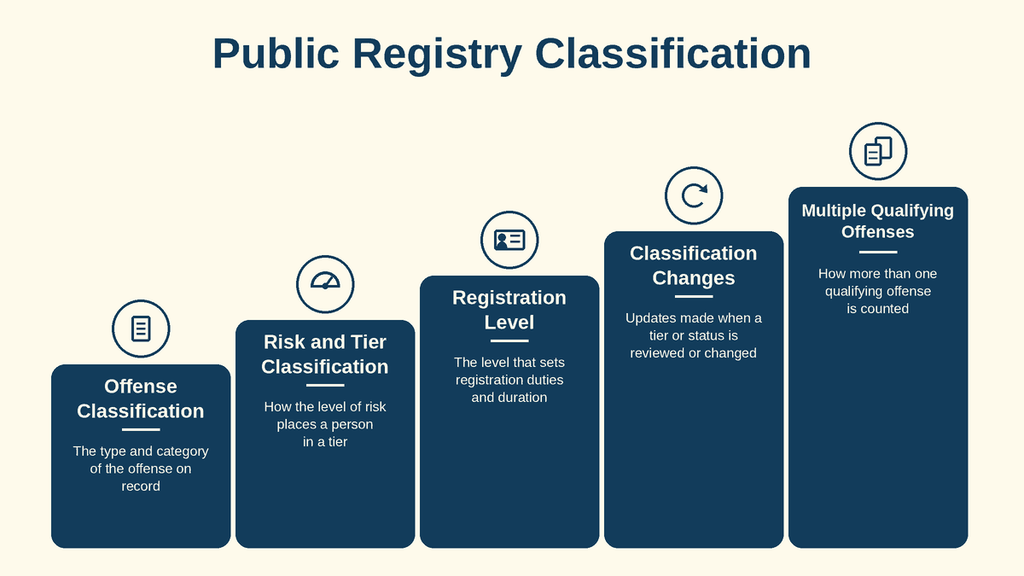
Public classification helps explain why a record has its present status. Three parts matter: the convicted offense, any tier or risk label, and the registration level. These fields come from state records and court-based processes. A map search neither adds data nor makes a fresh finding about a person’s conduct.
Offense Classification
The offense field names the conviction used for registration. It may show a statute number with a short description. It may not show every charge, an amended charge, or the full sentencing history. For those details, use the court file rather than a registry summary.
Risk and Tier Classification
Some profiles show Tier 1, Tier 2, or Tier 3 because Illinois has used tiered registration rules. Under the tier rules tied to a record, Tier 1 carries the strictest verification cycle and Tier 3 the least strict cycle. Some public materials call the tiers high, medium, and low risk, but a public lookup does not conduct a new sex offender risk assessment. Conviction date and later statutory changes can control which rules apply.
Registration Level
Registration level describes the person’s registration duty and duration. An active record has an open duty; a life-registration record has no ordinary ten-year ending. The label does not say that the person is present at the listed address, and it does not measure current behavior.
Classification Changes
A new qualifying conviction, court order, or lawful status update can change a record’s tier or level. A change may appear after the registry processes the required paperwork. Readers should check the latest status and dates instead of relying on an older search result.
Multiple Qualifying Offenses
One person may have more than one qualifying conviction. The public site may show one record with several offense entries or separate entries tied to different registration events. Those entries are not proof of several different people. The court and Illinois State Police apply the law to the person’s convictions and orders.
Sex Offender Residence Information
Residence data connect a registry record to an Illinois location. The system can hold both a living address and a mailing address, and a map search can use city, ZIP code, or county. The displayed location is a record field with reporting and update limits. It is not a live location feed.
Registered Residence
Registration requires the person to report a residence under the act. Public results can show the address supplied to Illinois State Police and can label it as a residence or mailing address. Local agencies use registered data for their duties, so a change can affect more than the map pin.
Address Changes
A move starts a reporting clock and may create overlap between an old and new address while records are processed. The profile date can help a reader judge which address the agency last processed. It does not reveal when the person physically entered the new property.
City and ZIP Code
City and ZIP code searches narrow a common name to a smaller area. County search covers a larger region and can help when the municipality is unknown. Each location field can point to a mailing address, so match the label before acting.
Geographic Registry Searches
- City: Use the official city name. A common surname plus city can narrow results, though city alone can produce many matches.
- ZIP code: Use the ZIP code shown on a known registration record. A ZIP code may point to a mailing address.
- County: Use county search when the city is unknown or the address falls near a county line.
- Map display: Treat a pin as a reference point for the address in the record, not proof of current physical presence.
Residence Information Limitations
Address data is time-sensitive. A profile can lag after a move, omit an apartment, or contain a corrected address that has not reached every map view. Search other identifiers and current dates. Never infer a home from a school, employer, or nearby map pin alone.
Registry Compliance and Status
Registry status describes the state’s registration record. Exact labels can vary, so the table below is a reading key rather than a promise that every profile uses the same words.
Active Registration
Active registration means the registry carries an unended registration duty. It does not mean the person has violated another law or is at the displayed address that moment. A person can have an active record after moving while address processing catches up.
Registration Compliance
Compliant status means the agency has recorded the required registration activity for the applicable period. It is a status of compliance with registration rules. It says nothing about whether every older conviction was handled correctly.
Failure to Register
Failure to register is a separate statutory issue, not the same as a new sex offense listed on the profile. It may concern an initial filing, a missed deadline, or a missing address update. The public page is not the court record used to decide a charge or defense.
Noncompliant Registration Status
A noncompliant label shows that the registry contains a registration problem. It may remain visible after a later cure, so the latest date and status matter. Read it as an administrative alert, not proof of every fact behind the issue.
Registration Termination
Registration termination marks the end of a registration duty under the governing law. It can follow expiration, a qualifying legal decision, or a statutory change. The cause must come from the official record; the map alone cannot supply it.
Removal From the Registry
Removal from the registry differs from sealing or expunging a court conviction file. Some Illinois cases have a statutory review or removal route. A court or the required state process decides eligibility, and Illinois State Police updates the registry after the required action. No search result means no active listing, not that the conviction history disappeared.
Public Sex Offender Registry Sources
Public registry records come from one statewide system operated by the Illinois State Police. County offices and local law enforcement agencies may publish separate community notices, yet those notices do not replace the state registry. The official Illinois State Police page is the proper starting point for a current lookup.
Using the Statewide Registry
The statewide search can use a name and location, including county. It supports a sex offender lookup and a sex offender map view, but it is not a full criminal background check. A full case search belongs with the court system or an authorized background-check service that follows state rules.
Publicly Displayed Records
A public result can contain a name and aliases, birth date, photo or physical description, address and county, convicted offense, tier, status, and registration dates. Some fields may not appear because of display choices, record history, or update timing. Read every field beside the record date.
Official Registry Sources
The controlling sources serve different purposes. Illinois State Police operates the registration database and publishes the public search. Illinois courts hold conviction and case records. The Illinois General Assembly publishes the Sex Offender Registration Act, community notification law, sentencing laws, and residence or presence statutes. A registry entry alone cannot settle a case-specific legal question.
Historical Registry Data
The current search shows present registry status, not a complete history of every address or registration event. A former registrant, an expired record, or a record under another name may be absent. Historical questions require the official record request process or the relevant court file. Cached map pages cannot replace either source.
Requests for Registry Records
A request for a historical, certified, or nonpublic registry file must follow the official Illinois State Police process described on its website. Eligibility and fees depend on the request type shown by the agency. An online result is not a certified registry certificate, and the public map does not provide the full registration file.
Registry Data Accuracy
An accurate lookup depends on matching more than one field and checking the record date. Names, addresses, and map pins can change. Use the result details, then confirm a dispute through the official correction or records-request route shown on the Illinois State Police site.
Confirming a Registry Listing
Compare legal name, aliases, birth date, photo or physical description, offense, county, address, and status. A shared surname proves little. A strong match has several fields that agree and no major conflict.
Checking Current Registration Status
Run a new search and read status, registration date, expiration date, and any update date. A saved map image can show data from an earlier visit. For a time-sensitive decision, rely on the live official result and current case records.
Verifying Address Information
Read the address label, county, ZIP code, and record date together. A mailing address can match a search even when the person’s physical residence differs. Report a changed or wrong field through the official process rather than guessing which map pin is right.
Identifying Duplicate Listings
Repeated entries can come from aliases, address changes, multiple qualifying offenses, or older registration records. Compare birth date, photo, offense, and address to see whether entries share a person. Do not merge records from a name match alone.
Reporting Incorrect Registry Data
Check spelling, legal name, and location fields before reporting a missing person. To assist researchers, official wanted persons documentation shows that use broader location data first, then narrow the result. If the issue concerns a conviction, sentence, or court order, the court system handles that record; Illinois State Police handles the registry entry.
Registry Privacy and Use Limits
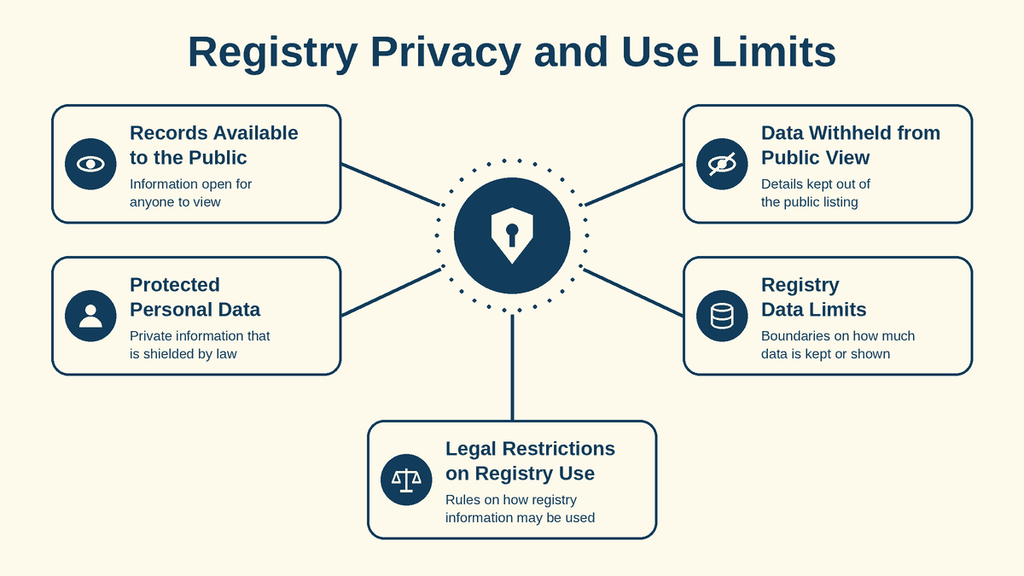
The public registry is limited to fields approved for public display. Even so, a public address or photo can affect a person’s family and privacy. Collect, share, and republish the least data needed for a lawful purpose.
Records Available to the Public
Public fields can include identity, location, offense, tier, status, and dates. These fields help distinguish one person from another and show the registry’s recorded status. They do not tell the whole story of a case.
Data Withheld from Public View
The registration file can contain fuller identity and contact details used for compliance. The public search does not need to show every field collected for that work. Do not try to reconstruct hidden identifiers from outside sources.
Protected Personal Data
A public address can reveal who lives with a registrant, and a workplace or school can reveal a family member’s routine. Lawful use still calls for care with copied data. A registration duty belongs to the person required to register and does not make relatives offenders.
Registry Data Limits
The registry is an administrative summary. It can lag behind a court or agency update, contain sparse fields, or show a name that differs from a person’s current legal name. It does not verify a person’s exact location, mental state, treatment attendance, supervision terms, or civil commitment. Read the official disclaimer with each result.
Legal Restrictions on Registry Use
Terms in the official disclaimer control use of the site. State confidentiality rules and the federal Sex Offender Registration and Notification Act limit disclosure of certain identifying data. A registry listing should not serve as the sole basis for a housing, hiring, credit, or disciplinary decision. Questions about lawful use belong to the agency or court with authority over the record.
Sex Offender Search Problems
Most search problems come from name changes, old map data, address differences, or display limits. Work through the record fields in a fixed order. This keeps a weak name match from turning into a false identification.
Person Not Found
Try the legal surname, first name, middle name, and known aliases. Add city, ZIP code, or county only after checking spelling. No result can mean no active registration, a name mismatch, a reporting gap, an exemption, or a data error. It does not prove that no conviction exists.
Multiple Matching Listings
Open each matching result and compare birth date, photo, offense, county, address, and registration dates. Aliases and multiple offenses can create separate-looking entries for one person. Treat two weak matches as unconfirmed until official records establish that they concern different people.
Address Search Produces No Results
Check punctuation, apartment or unit designators, city spelling, ZIP code, and county. A registry may use a mailing address that does not match the physical property. A nearby or incorrectly formatted address can produce no match.
Recently Updated Listing
Address or status changes may reach the database after a saved map view. Run a new search and note the record’s date rather than trusting a screenshot. For a conflict that affects safety, confirm the current record with Illinois State Police or the local agency responsible for the case.
Incomplete Registry Entry
A missing photo, apartment number, phone, or short offense description can reflect display rules or processing time. It does not prove the field was never collected. Use official records for a missing fact and do not fill the gap with a guess.
Incorrect Search Details
Search one broad field before adding another. A misspelled city or a wrong ZIP code can remove a valid result. Compare every returned entry with known facts, then use the official correction route if a registry field remains wrong.
Kane County Sex Offender Registry Searches
The Illinois State Police statewide registry includes records connected to Kane County. Search statewide by legal name and narrow results with Kane County, city, or ZIP code. This method keeps current address, status, offense, and classification fields in one official state source.
A county connection can be based on the address in the registration record. Read the address label and record date, and check local law enforcement community notice records when they are needed. The statewide result does not prove the person’s exact presence in Kane County at that moment.
Sex Offender Law and Public Safety
Illinois law assigns different roles to the registry, courts, local agencies, and corrections systems. A registry result is useful for public records, but it does not replace legal papers or supervision orders. The main sources are 730 ILCS 5/3, 730 ILCS 5/4, 730 ILCS 5/5, 730 ILCS 5/5.5, and 730 ILCS 5/40.
Community Notification
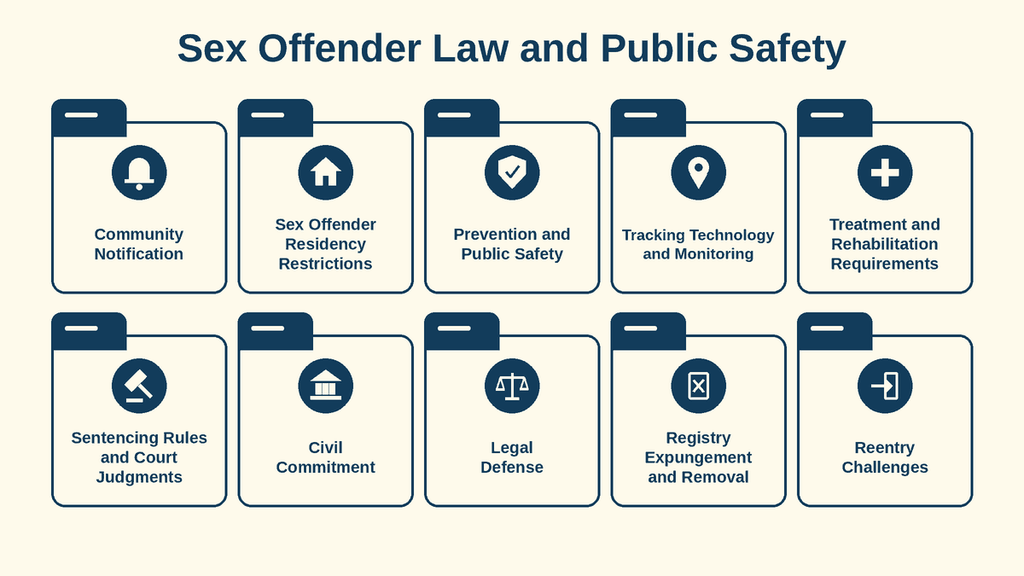
The Sex Offender Community Notification Program Act, 730 ILCS 5/4, lets local law enforcement agencies decide when community notice follows registration or an address change. A statewide listing does not show whether a local agency sent a flyer, held a meeting, or used another notice method. It also does not show who received a notice.
Sex Offender Residency Restrictions
The Restrictions on Child Care Homes and Schools Act, 730 ILCS 5/5.5, sets residence and presence rules near child care homes, preschools, schools, parks, beaches, and pools. Many settings use a 2,000-foot distance, and a separate school-distance rule applies to a registrant under 18. Permission and exceptions can apply. A map pin cannot decide whether a specific property meets the law; use the current statute and local authorities.
Prevention and Public Safety
Public registry data can support sex offender prevention when paired with current local notices and sound child safety planning. It cannot substitute for direct observation or official reporting of suspicious conduct. Sharing an address, photo, or accusation beyond a lawful need can create harm and may violate use terms.
Tracking Technology and Monitoring
Electronic monitoring is not a public map feature. A court, parole board, or probation officer can impose GPS, phone, or other tracking conditions under supervision law. The public registry does not expose the device, location history, or monitoring status. Registration and monitoring are separate legal duties.
Treatment and Rehabilitation Requirements
A court or supervising agency can require sex offender treatment or rehabilitation as a condition of release, probation, or parole. Program attendance and treatment records do not normally appear in the public registry. Completion does not by itself remove a registration duty. Support groups can offer peer help, though they do not replace ordered treatment or legal advice.
Sentencing Rules and Court Judgments
Sentencing rules for sex offenses sit in 730 ILCS 5/5 and depend on the offense, victim, age, criminal history, and law in force at the time. A registry lookup cannot calculate a sentence, probation term, or parole date. Use the court’s sentencing order and judgment for those facts.
Civil Commitment
Civil commitment is a separate case under the Sexually Violent Persons Act, 730 ILCS 5/40. It uses an evaluation and court order. A registry listing neither proves nor disproves civil commitment, although a committed person can have separate registration duties. The commitment case file controls that status.
Legal Defense
An administrative registry entry is not a charging document. A lawyer licensed in Illinois can compare it with the charging papers, disposition, appeal records, and any removal petition. A listing does not settle each fact behind a conviction. Do not confront, threaten, or contact a listed person based only on a search.
Registry Expungement and Removal
Registry removal and court-record expungement are separate outcomes. Illinois law has created review or removal routes for certain conviction categories, with eligibility tied to details such as the offense, conviction date, sentence, and court orders. Illinois State Police carries out the registry change after the required legal process. A person can have a court conviction and no current registry listing.
Reentry Challenges
Reentry after incarceration or release can involve housing, work, treatment, supervision, and registration deadlines. A public listing can affect housing or job searches even when the person completed every sentence requirement. Use current legal papers and accurate records when a housing provider or employer asks about an offense.
Contact Information
The Illinois State Police maintains the official Illinois Sex Offender Registry, which allows statewide searches by name and location, including county. Review the portal’s disclaimer before relying on any result. The Illinois General Assembly provides the related legal provisions under 730 ILCS 5/3, 5/4, 5/5, 5/5.5, and 5/40, covering registration, community notification, sentencing, residence restrictions, and civil commitment. For case-specific details, consult the relevant court record.
- Address: 801 S. Seventh Street, Springfield, IL 62703-2487
- Website: https://isp.illinois.gov/OffenderRegistration
Frequently Asked Questions
The Illinois State Police Sex Offender Registry lets anyone check public records for people required to register. Knowing where a sex offender lives helps protect families, schools, and neighborhoods. The site shows name, address, offense tier, and registration status. Use the information to stay informed, plan safety measures, and understand local laws.
How can I search the Illinois sex offender registry by name?
Visit the official Illinois State Police website and select the name search option. Enter the full or partial name, then click submit. Results list each match with current address, offense type, tier level, and registration date. Review the details to confirm identity before taking any action.
What does a sex offender tier mean on the map?
Tier indicates risk level based on offense severity and criminal history. Tier I shows lower risk, Tier II moderate, and Tier III highest. The map uses different colors for each tier, allowing quick visual assessment of nearby risk. Check the tier before deciding on safety steps.
Can I find sex offender residency restrictions in my county?
Yes. After locating a name, scroll to the “Restrictions” section. It lists distance limits from schools, parks, and daycare centers. Use these numbers to see if the offender must stay a certain distance away from places where children gather.
How do I verify a sex offender’s compliance with registration deadlines?
Open the offender’s profile and look for the “Registration Status” field. It shows whether the person is current, overdue, or has a pending update. If the status is overdue, contact local law enforcement to report the lapse.
Where can I access free resources for sex offender prevention and community safety?
The Illinois State Police site offers printable safety guides, links to local support groups, and contact numbers for neighborhood watch programs. Download the guides, attend community meetings, and share the information with schools and churches to boost awareness.